

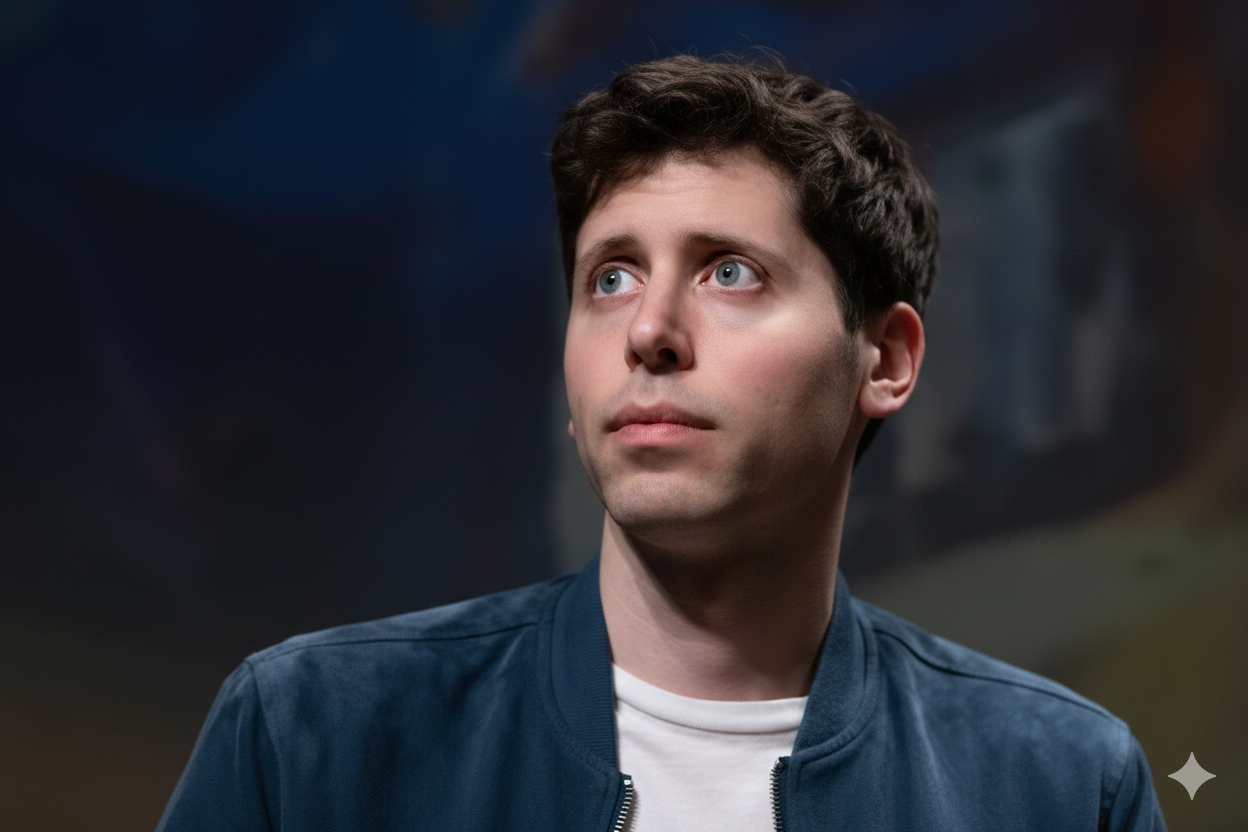
Few individuals have shaped the trajectory of artificial intelligence as profoundly as Sam Altman. As the CEO of OpenAI, Altman stands at the forefront of the global AI transformation. His leadership has propelled OpenAI from a relatively small research organization into the world’s most influential AI company, powering innovations that touch nearly every corner of society.
Altman’s career began long before the rise of OpenAI. As a young entrepreneur, he co-founded Loopt and later became the president of Y Combinator, Silicon Valley’s most renowned startup accelerator. During his tenure at YC, Altman helped launch and support startups that would later become household names. It was here that he witnessed firsthand how software and innovation could dramatically reshape the world.
His belief in the potential of AI led him to join OpenAI as a co-founder and eventually take on the role of CEO. Under his leadership, OpenAI released models that fundamentally changed how the world interacts with technology – GPT-3, GPT-3.5, GPT-4, GPT-4o, GPT-5, and beyond. These systems brought AI from research labs into everyday life, enabling people to write, create, design, solve, and innovate like never before.
Altman’s vision extends beyond technical advancement. He believes that AI represents the beginning of a major societal transformation—one that requires responsible development, ethical guidelines, and global collaboration. Throughout his speeches and writings, Altman consistently emphasizes the importance of developing AI in ways that benefit humanity.
During OpenAI’s internal turbulence in 2023, a board conflict briefly removed him from the CEO role, testing his leadership. The public and industry backlash was immediate, with employees, investors, and partners demanding his reinstatement. His return marked one of the most dramatic chapters in tech history and solidified his reputation as a leader deeply trusted by the AI community.
Today, Altman continues to shape the landscape of AI through advancements in multimodal intelligence, robotics, simulation, and general-purpose AI systems. He is a central figure in discussions around AI governance, safety, regulation, and the future of human-AI collaboration.
Altman’s work reminds us that innovation is not just about building powerful systems—it is about ensuring those systems uplift people, drive progress, and open doors to new possibilities. His leadership philosophy is grounded in long-term thinking, transparency, and a belief in the transformative power of technology.
As AI becomes integrated into healthcare, education, business, entertainment, and government, Sam Altman’s influence will continue to guide the world toward an intelligent and more capable future.
